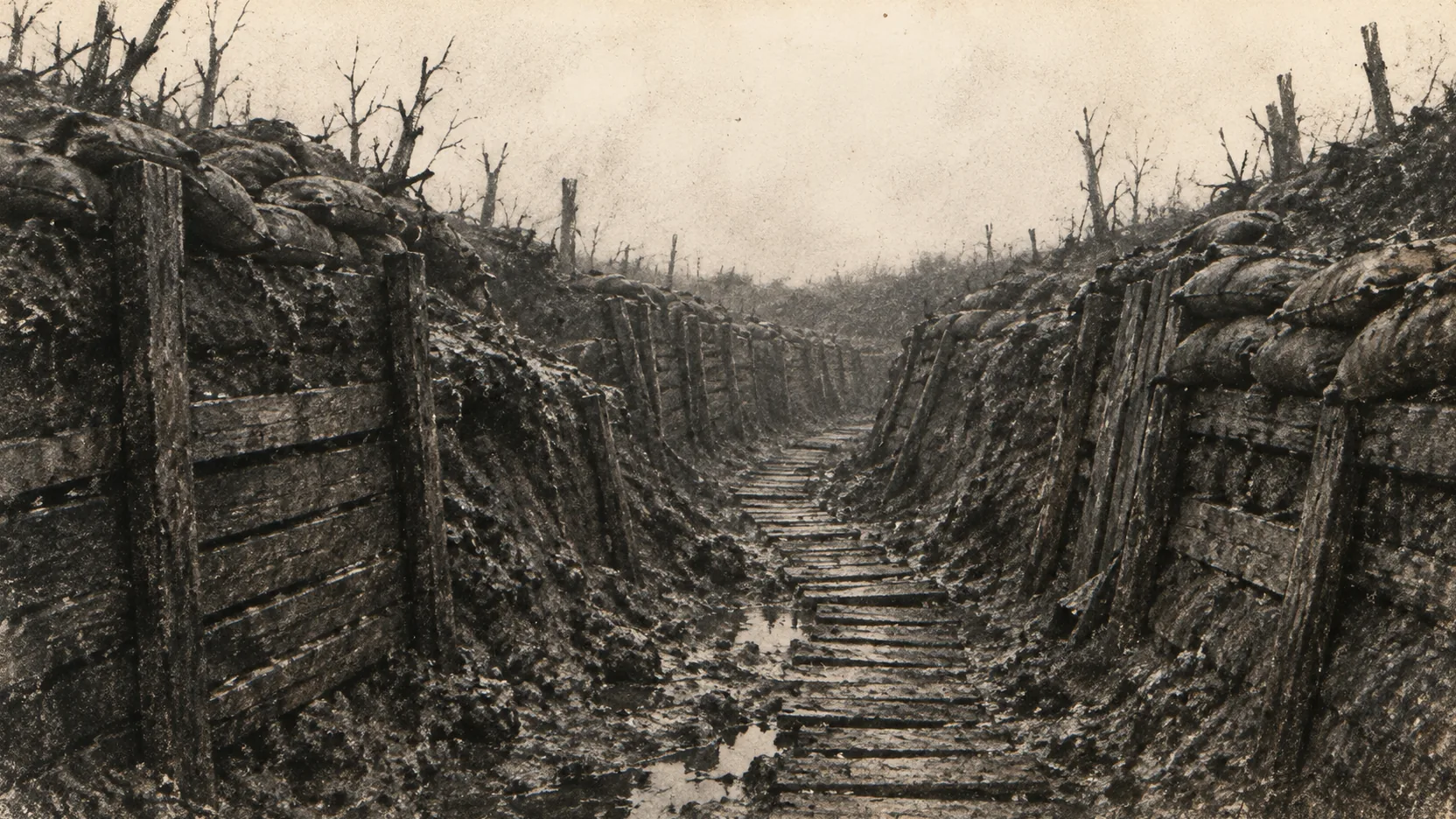

The Flanders Corps. Photographic estate.
Estate of a member of the so‑called Flanders Corps.


Recommended Articles

Kriegsgeschichte
The Course of the First World War (1915)
On 16 February 1915 the French High Command ordered a renewal of the offensive in the Champagne. For the first time, hours of artillery fire prepared the infantry attacks, which nevertheless failed against the strong defensive power of the German positions. The French lost about 240,000 men, the Germans only 45,000. The British offensive at Artois beginning on 10 March also failed. The Germans remained on the defensive in the West and concentrated on further expanding their positions. Up to then these had lacked tactical depth; a second and third line were now created. It remained problematic that on both sides each main battle line was absolutely to be held in the event of enemy attacks. This rigid doctrine led to senseless losses; only slowly did the leading military commanders realize that both the classical form of attack and an overly rigid defensive posture did not lead to success or led to unacceptable losses.

Organisation
The German Imperial Army in the World War - Structure and Organization - Engineers
During the First World War the engineer arm experienced an unforeseen rise in importance and, as the daily reality of war increasingly resembled that of fortress warfare, became an important support arm for the infantry.

Organisation
The German Imperial Army in the World War - Structure, Organization and Uniforming of the Infantry - Reserve Infantry Regiments
In 1914 the German infantry comprised 217 regiments.