Structure and Organization of the Old Army - Cavalry - Cuirassier Regiments - Guard Cuirassier Regiment

The Guard Cuirassier Regiment was formed on 21.02.1815 (founding day) and originated from
the Guard Uhlan and Guard Cossack squadron of the Light Guard Cavalry Regiment and
from the best men of the Silesian National Hussar Regiment's squadrons.
Since its establishment the regiment was based in Berlin.
At first the unit was designated Guard Uhlan Regiment; only from the year 1821 did it bear the designation: Guard Cuirassier Regiment.


The standard was presented to the regiment on 18.04.1815.
The unit belonged to the Guard Corps, respectively to the Guard Cavalry Division, respectively to the 1st Guard Cavalry Brigade.

In the First World War the formation initially fought in the West in 1914 and took part in the Battle of the Marne.
This was followed by guard duty on the Belgian–Dutch border. Later the regiment was deployed in the East (Galicia / southern Poland) until early 1918.
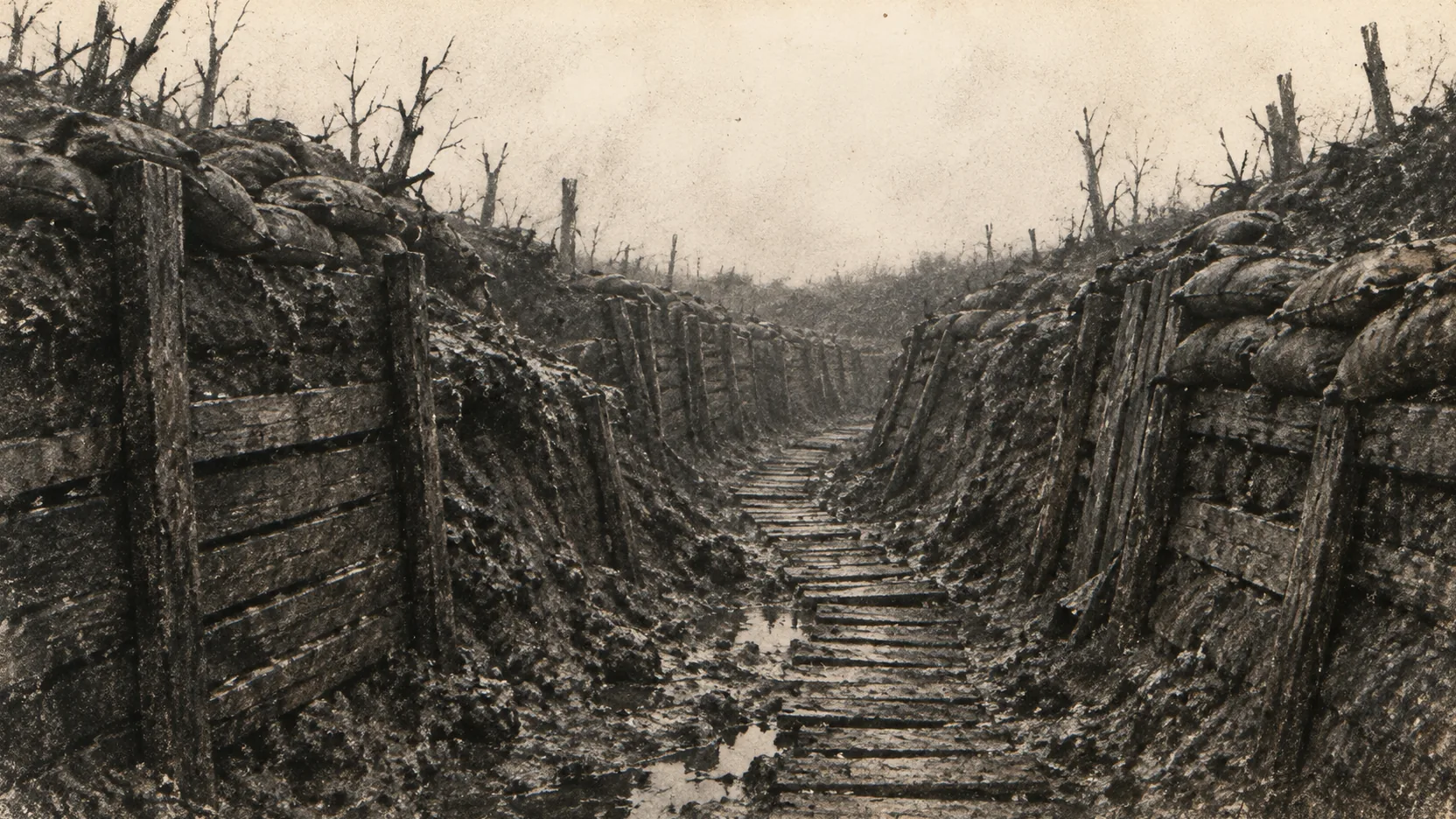
Until the end of the war it fought as infantry in trench warfare in the West as part of the Guard Cavalry Rifle Division.
On 10.12.1918 the unit returned to Berlin; parts later fought in the Baltic region and in Berlin during the Spartacus Uprising.

Like the Gardes du Corps (Potsdam) and the Cuirassier Regiment Emperor Nicholas I of Russia (Brandenburg) No. 6 (Brandenburg a. H.), it was fitted with tombak helmets.
The scale-mail chains were also made of tombak, while the fittings were of nickel silver.
On the helmet a nickel-silver guard star was worn with the motto ribbon: MIT GOTT UND VATERLAND 1860 bearing a black eagle on a copper field.


The Guard Cuirassier Regiment wore the cuirassier-style koller with cornflower-blue collar and cuffs with white or silver guard lace and white or silver braids. The buttons were white. The cap rim and the front panels were cornflower-blue.
In addition a blue tunic was worn, as well as the koller with cornflower-blue collar and (Swedish-style) sleeve cuffs and corresponding white or silver guard lace.

As a parade piece the Guard Cuirassier Regiment possessed a cuirass with brass plates on the breast and back pieces.


Recommended Articles

Heeressoziologie
The Internal Structures of the Imperial Army
The Imperial Army was a social formation and therefore exhibited informal as well as formal structures. With regard to the valuation of the different branches of service, there was a clear hierarchy in prestige. Cavalry occupied first place, followed by infantry, the technical troops and, last of all, the train. The social standing of the individual branches did not follow objective criteria and ignored the new dimensions of technology. The result was the complete overvaluation of the lance-armed cavalry—which, against the background of modern machine weapons, already appeared anachronistic.

Uniformierung & Ausrüstung
The Uniforms of the Infantry of the German Imperial Army - 1871 – 1914. Part II - Prussia - Guard and Line Grenadier Regiments (IR No. 1 - 12)
The first part of this series dealt generally with the uniforms of the Prussian infantry - 1842 – 1914.

Uniformierung & Ausrüstung
Uniforms and Equipment of the Old Army - Cavalry - Heavy Riders - Saxony - Carabinier Regiment
The Saxon Carabinier Regiment (2nd Heavy Regiment) belonged to the XIX Army Corps. This was the II Royal Saxon Corps.