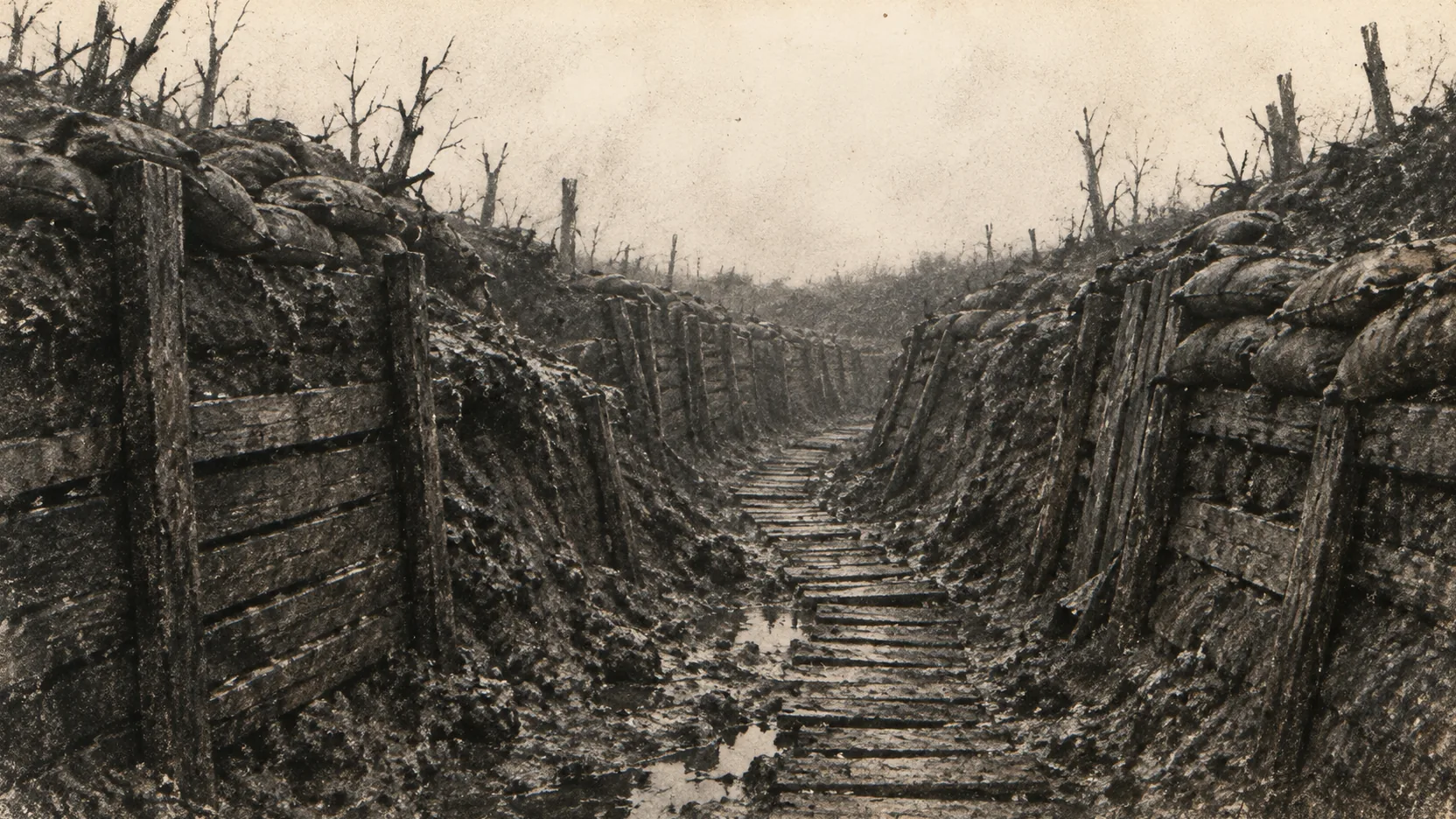

Images on the History of the 1st Foot Guard Regiment and its Parent Units
Illustration plates taken from the Chronicle of the First Foot Guard Regiment and its Parent Troops 1675 - 1900, Berlin 1902.
The 1st Foot Guard Regiment and its Parent Troops
After the downfall of the old Prussian army in 1806/07, the Prussian army was reformed.
In this process the 1st Foot Guard Regiment was also raised.
For reasons of tradition the foundation day was considered to be 11.08.1688.
The unit was formed on 24.01.1807 in Memel from a detachment (1 officer, 27 men) of the staff guard of the old guard and from officers and men of the parent regiments (No. 15 I, II and III Btl. and No. 6).
Garrison from 1810 (until 01.10.1919 = disbandment) was Potsdam.
The regiment counted among the most prestigious units of the Prussian army.
Among the parent troop units was the Grenadier Guard (No. 6), the former King’s Regiment.
It had been formed in 1675 from the Markish levy for the Crown Prince. It remained the regiment of the heir to the throne and in 1713 finally became the regiment of the Soldier King with three battalions and was garrisoned in Potsdam.
The regiment was replenished by drafts from the other field regiments of the army and from the so-called corps of the unranked.
It was regarded - alongside No. 3 - as the school of the army.
In 1740 the unit was reduced to one battalion as the Grenadier Guard.
The other parent troop component was the 1st Battalion Life Guard and the Guard Regiment (No. 15 I, II and III).
This unit had been formed in 1688 and was the regiment of Frederick the Great both as Crown Prince and as King.
It was also stationed in Potsdam.


Recommended Articles

Organisation
The Prussian Army under Frederick William I (1713–40) - "The Tall Lads" - on the History of the Famous Guard Regiment
Besides No. 3, the King's Regiment (No. 6) was the second infantry unit with an increased establishment. Even before the standing armies were formed, princes raised special formations for the protection of their person, some of which as early as the 16th and 17th centuries wore uniform dress and, above all, displayed splendid clothing; examples include the Swiss Guard of the Papal States (established 1506), the Royal Bodyguard (Trabant Guard) in England (established 1485), the Royal Noble Guard in Spain (established 1646) and the Royal Musketeer Corps in France (established 1622). The designation ‘guard’ became generally customary for these body and protective guards (Fr. garde = to protect, guard, watch).

Organisation
Curt Jany, Military Reminiscences of Ansbach Bayreuth (taken from the Hohenzollern Yearbook).

Heeressoziologie
Welfare Measures for Soldiers' Wives and Children in the Old Prussian Army
The essay was originally published in: Zeitschrift für Heereskunde, No. 328 November/December 1986, p. 139 ff. p. 139 ff.